Oral Health Tips
Brushing
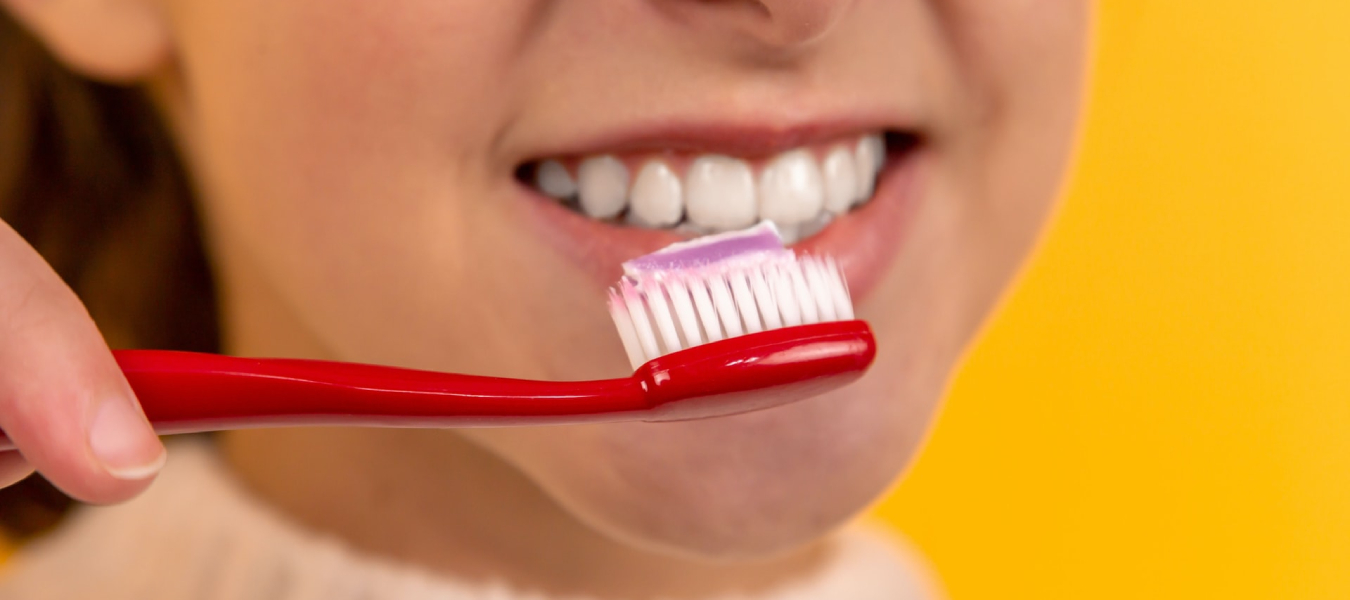
1. How to brush teeth correctly?
-
Brush after each meal, snack, and before you go to bed.
-
Use a toothbrush with soft, rounded-end bristles and a head that is small enough to reach all parts of your teeth and mouth. Replace your toothbrush every 3 to 4 months.
-
You may also use an electric toothbrush that has the American Dental Association (ADA) seal of approval. Studies show that powered toothbrushes with a rotating and oscillating (back-and-forth) action are more effective than other toothbrushes, including other powered toothbrushes.
-
Place the brush at a 45-degree angle where the teeth meet the gums. Press gently, and rock the brush back and forth using small circular movements. Do not scrub. Vigorous brushing can make the gums pull away from the teeth and can scratch your tooth enamel.
-
Brush all surfaces of the teeth, tongue-side and cheek-side. Pay special attention to the front teeth and all surfaces of the back teeth.
-
Brush chewing surfaces vigorously with short back-and-forth strokes.
- Brush your tongue from back to front. Some people put some toothpaste or mouthwash on their toothbrush when they do this. Brushing your tongue helps remove plaque, which can cause bad breath and help bacteria grow. Some toothbrushes now have a specific brush to use for your tongue.
Flossing
Why Should I Floss my teeth?
As well as brushing your teeth twice a day, it is very important to floss daily. Brushing will only remove the plaque bacteria from the front and back of your teeth but misses the areas in between. Flossing removes the sticky substance of plaque which adheres between the teeth and gumline, where gum disease often begins. By flossing daily it decreases your chances of developing gum problems and forming decay (fillings).
Which type of floss?
Dental floss can sometimes shred so using one which is waxed coated or a dental tape will prevent this problem. Floss picks are also available which can be easier if you find flossing difficult.
How to Floss?
1. Wrap the floss around your middle fingers about 18” to 24” will be long enough
2. Hold the floss between your thumb and forefingers, leaving about an inch of floss between your hands.
3. Gently work the floss between your teeth, make sure you take the floss under the gum line curving like a “c shape” around the tooth
4. Glide the floss up and down each tooth, renewing the floss as needed
Your gums may bleed initially as they are inflamed due to the plaque bacteria but this will reduce as bacteria is removed and the gums heal.
Diet
Is there a good diet for dental hygiene?
A balanced and nutritious diet is good for your general health and your dental health. Without the right nutrients, your teeth and gums can become more susceptible to decay and gum disease
What are common causes of dental problems?
Sugar is one of the main causes of dental problems. The average Indian eats the equivalent of 40 kg of sugar each year. If you can’t brush after consuming a sweet snack or drink, at least rinse your mouth with water or eat a fibrous fruit or raw vegetables. Or, chew a piece of sugarless gum.
I never bothered to get my teeth checked. Is it that important?
Poor oral health can affect a person’s quality of life. Oral pain, missing teeth or oral infections can influence the way a person speaks, eats and socializes. These oral health problems can reduce a person’s quality of life by affecting their physical, mental and social well-being.
Oral disease, like any other disease, needs to be treated. A chronic infection, including one in the mouth, is a serious problem that should not be ignored.
Research has shown that there is an association between oral disease and other health problems, such as diabetes, heart disease and stroke, as well as pre-term and low birth weight babies. A healthy mouth is an important part of leading a healthy life!
Any tips for better oral health?
The 5 Steps to Good Oral Health Are:
1. See your dentist regularly
2. Keep your mouth clean
3. Eat, drink, but be wary
4. Check your mouth regularly
5. Avoid all tobacco products
If you take care of your teeth and gums at home and visit your dentist regularly, your smile should last you a lifetime. You and your dentist are partners in keeping your oral health good for life